

When passion gives way to survival in architectural practice
Architecture does not usually lose people all at once.
More often, it wears them down slowly.
The work that once felt meaningful begins to feel heavy. The projects are still there. The clients are still calling. The deadlines, budgets, meetings and decisions continue. From the outside, the practice may even look successful.
But inside, something changes.
The energy shifts from passion to survival.
I have seen this too many times. Talented architects. Ambitious practices. Good people doing work that should be fulfilling. Yet somewhere along the way, the spark dims.
Not because they stopped caring. Often, because they cared for too long without enough support.

The slow drift into survival mode
Most architecture practices begin with belief.
Belief in design. Belief in service. Belief in the value of doing good work. For many practice owners, there is also a strong desire for autonomy: the chance to build a practice around their own standards, values and ambitions.
But the daily reality of practice can be relentless.
Cashflow pressure. Fee competition. Staffing issues. Client demands. Authority delays. Consultant coordination. Construction problems. Unpaid work. Difficult conversations. The constant need to win, deliver, manage and lead.
Over time, the work of running the practice can start to consume the reason the practice was created.
This is where survival mode takes hold.
Survival mode is not always dramatic. It may simply look like constant busyness. The practice keeps moving, but rarely pauses. Decisions become reactive. Strategic thinking is deferred. Leaders become tired. The team senses pressure. The joy in the work becomes harder to access.
Eventually, even good projects can feel like obligations.
Talent is not enough to sustain a practice
Architects often place enormous faith in talent.
Talent matters. It helps win work, solve problems, create value and build reputation. But talent alone will not sustain a practice over time.
A talented practice can still be poorly managed.A talented principal can still become exhausted.A talented team can still lose confidence.A talented designer can still be trapped inside a weak business model.
This is one of the uncomfortable truths of architectural practice. The profession often celebrates the visible output while underestimating the structure required to support it.
Passion may start the practice, but systems help protect it.
That does not sound romantic, but it is true. Good financial management, clear scope, better project systems, stronger leadership habits and more deliberate client selection are not distractions from the work. They are part of what allows the work to remain worthwhile.
Without them, passion is forced to carry too much.
The signs are often familiar
A practice slipping into survival mode may not recognise it immediately. The signs are often explained away as normal pressure.
The principal is always the last line of defence.
Fees are too tight, but the practice keeps accepting them.
Team members are stretched, but no one has time to fix the underlying resourcing problem.
Clients are poorly matched, but work is hard to refuse.
Project reviews are postponed because delivery feels more urgent.
Strategic planning is treated as a luxury.
The practice becomes more reactive each year.
At some point, survival becomes the operating model.
This is dangerous because people can become used to it. They start to assume that architectural practice is simply meant to feel this way. They may even become suspicious of the idea that it could feel different.
That is when the loss of passion becomes most serious.
Not because every day should feel inspiring. No profession works that way. But architecture should not become something merely endured.
Purpose needs practical support
Architects often reconnect with passion by talking about purpose. That can be valuable. A strong sense of why the practice exists can help clarify decisions, energise the team and strengthen the practice’s identity.
But purpose alone is not enough.
A practice also needs to make its purpose operational.
If the practice values design quality, it must price and programme work in a way that allows quality to be pursued. If it values client care, it must choose clients and build systems that support good service. If it values staff development, it must create time, feedback and leadership capacity. If it values sustainability, it must manage the business sustainably.
Otherwise, purpose becomes a statement rather than a lived reality.
The question is not simply, “Why did we start this practice?”
The more practical question is, “What needs to change so the practice can still believe in that purpose?”
Recovering the spark
Bringing passion back into a practice does not usually require a dramatic reinvention. Sometimes it begins with much more practical moves.
A clearer strategy.Better fees.More disciplined scope management.Fewer unsuitable clients.Stronger leadership roles.A more honest look at workload.Time to reflect on what kind of work the practice genuinely wants.
These changes may sound operational, but their effect can be deeply personal. When a practice becomes less chaotic, leaders can think again. When fees improve, resentment reduces. When clients are better matched, the work becomes more rewarding. When teams are properly supported, energy returns.
Passion is not sustained by sentiment. It is sustained by conditions that allow it to breathe.
Architecture should not be merely endured
There will always be pressure in architectural practice. Difficult clients, demanding projects and commercial constraints will not disappear. No business structure can remove every burden.
But there is a difference between pressure and survival.
Pressure can be productive when the practice has clarity, support and direction. Survival is what happens when pressure becomes the permanent state.
If your practice has lost some of its spark, the answer is not to romanticise the early years or pretend the pressures are not real. The answer is to look honestly at what is draining the practice and what needs to be rebuilt.
Architecture is too demanding to be sustained by talent alone.
It needs purpose, yes. But it also needs structure, discipline and leadership.
That is how passion survives contact with practice.
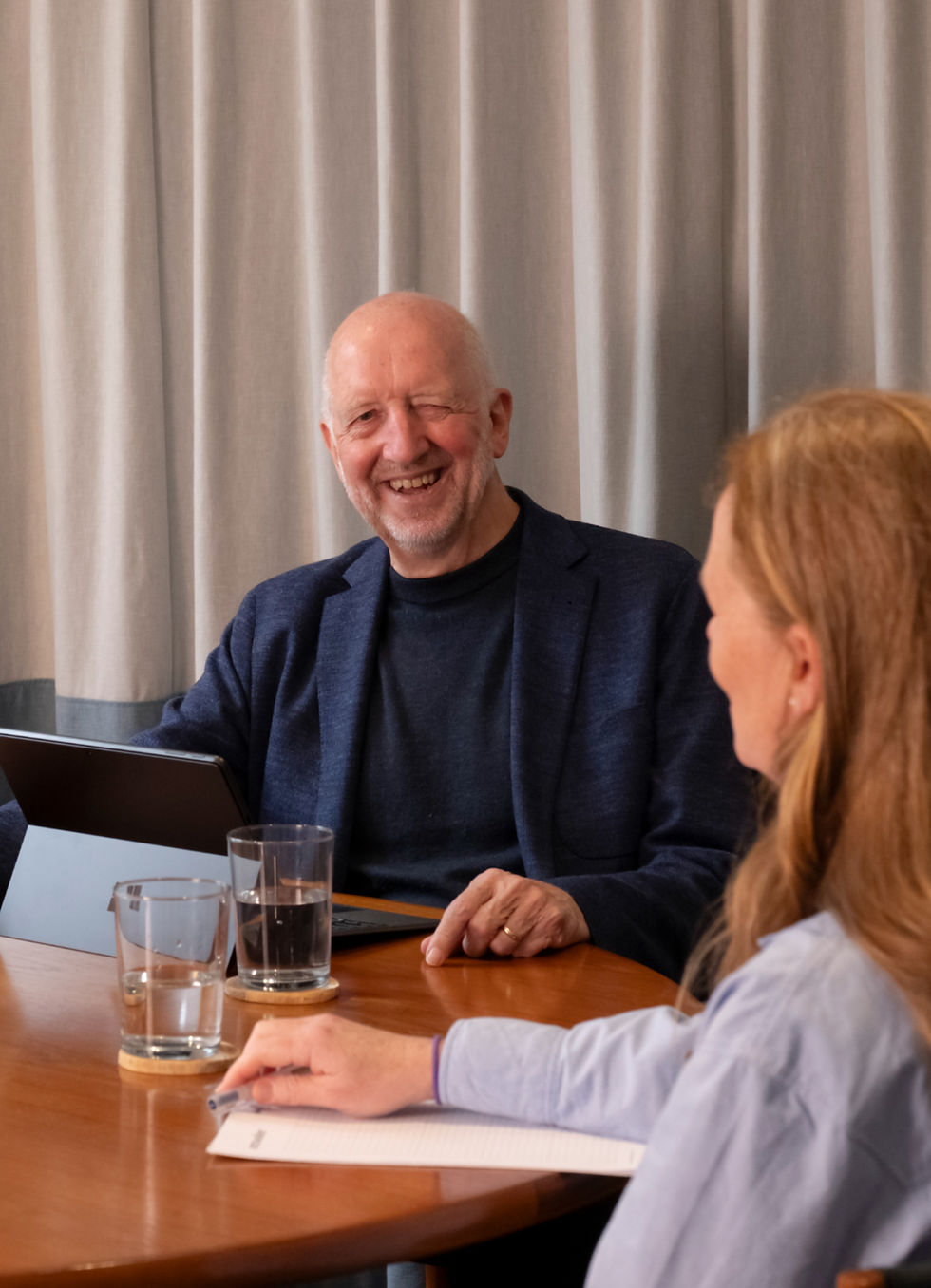
Ross Clark has worked across the architecture industry in almost every capacity — the guidance that he brings from decades working in this industry has been tried, tested and refined working closely with practices just like yours.
If you’re thinking about the next stage of your practice, or want an experienced perspective on how things are currently set up, please reach out.


