

A difficult client isn’t always your biggest risk
Some of the hardest clients in architecture do not seem difficult at first.
That is what makes them so dangerous.
They may begin warmly. They seem enthusiastic, engaged and appreciative. They praise the work. They say they trust the architect. They appear collaborative and excited by the process.
Then the signals begin.
Feedback becomes vague. Decisions stay verbal. Extra requests appear casually. Settled issues return. What was approved is suddenly described as “not quite what I meant”. The architect tries to clarify, but the client remains slippery. Nothing is quite wrong enough to create a crisis, but the relationship begins to lose its shape.
By construction, the pressure may have intensified. Demands increase. Clarity decreases. Fees are challenged. Payment slows. Blame starts shifting. The architect, wanting to preserve the relationship and protect the project, works harder.
More meetings. More reassurance. More unpaid effort. More accommodation.
Often, that does not fix the problem.
It reinforces it.

The pattern matters more than the incident
Every client relationship has moments of uncertainty. Clients change their minds. They misunderstand drawings. They need help making decisions. They become anxious about cost, time or approvals. None of that automatically makes a client difficult.
The concern is pattern.
Repeated ambiguity matters. Repeated verbal changes matter. Repeated reopening of settled decisions matters. Repeated fee pressure matters. Repeated failure to confirm direction matters.
A single incident can often be managed. A pattern needs to be named and contained.
This is where architects can be vulnerable. Because they care about service, they may treat each issue as something to be solved individually. They do not always step back soon enough to see the relationship pattern forming.
The result is that the practice keeps responding with effort when it should be responding with structure.
Working harder is not always the answer
Architects are problem-solvers. When a client relationship becomes strained, the instinct is often to work harder.
This may mean more communication, more options, more detail, more patience, more personal attention from the principal. Sometimes that helps. But with the wrong client pattern, it can make things worse.
If a client learns that ambiguity produces more work, ambiguity may continue. If they learn that reopening decisions carries no consequence, decisions may keep reopening. If they learn that fee boundaries soften under pressure, fee pressure may increase.
This does not mean the client is always acting maliciously. Sometimes they are anxious, inexperienced or disorganised. But the effect on the practice can be the same.
Unmanaged uncertainty becomes the architect’s cost.
The role of a strong brief
A strong brief is not just a design tool. It is a relationship tool.
It helps test alignment. It clarifies priorities. It records assumptions. It exposes uncertainty. It gives both client and architect a shared point of reference when the project begins to drift.
This is why I place so much value on what I often describe as a proper clarity brief process. The purpose is not to produce another formal document for its own sake. The purpose is to surface the issues that otherwise become expensive later.
What does the client really want?
Who will make decisions?
What priorities matter most?
What has already been assumed?
Where is there disagreement?
What does success look like?
What constraints are real?
A good briefing process does not remove all future difficulty. But it makes it harder for expectations to drift without being noticed.
Records are not bureaucracy
When a client relationship starts to show signs of instability, records become essential.
Written confirmation of feedback, approvals, changes, assumptions and decisions is not about becoming defensive. It is about preserving clarity.
Many disputes in architecture are not caused by one dramatic disagreement. They arise because two parties carry different memories of what was said, agreed or implied.
The architect remembers the warning.
The client remembers the reassurance.
The architect remembers the approval.
The client remembers the conversation as exploratory.
The architect remembers a change.
The client remembers a refinement.
Good records narrow the room for this kind of drift.
They also help the practice act earlier. Once issues are written down, patterns become easier to see.
Discipline without cynicism
Most practices will eventually encounter a client relationship that becomes more difficult than expected. That does not mean architects should become cynical or suspicious of every warm beginning.
Cynicism is not the answer.
Discipline is.
Clear decision points. Written confirmation. Proper scope resets. Careful records. Early conversations when expectations expand. The willingness to pause when clarity drops.
These are not hostile behaviours. They are professional safeguards.
They protect the practice, but they also protect the client and the project.
A client who is guided clearly is more likely to understand the consequences of their decisions. A client who is allowed to drift may become more difficult over time because no one has helped them see the pattern.
The real risk
The difficult client is not always the biggest risk.
The bigger risk may be the moment the architect starts working harder to please them, without also strengthening the structure around the relationship.
That is when time, profit, energy and confidence begin to drain away.
One unstable client relationship can affect a practice far beyond the value of the fee. It can distort resourcing, unsettle the team, distract principals and weaken confidence in the practice’s own judgement.
The answer is not to care less.
The answer is to care with better systems.
Because in architectural practice, goodwill is important.
But goodwill without clarity is not enough.
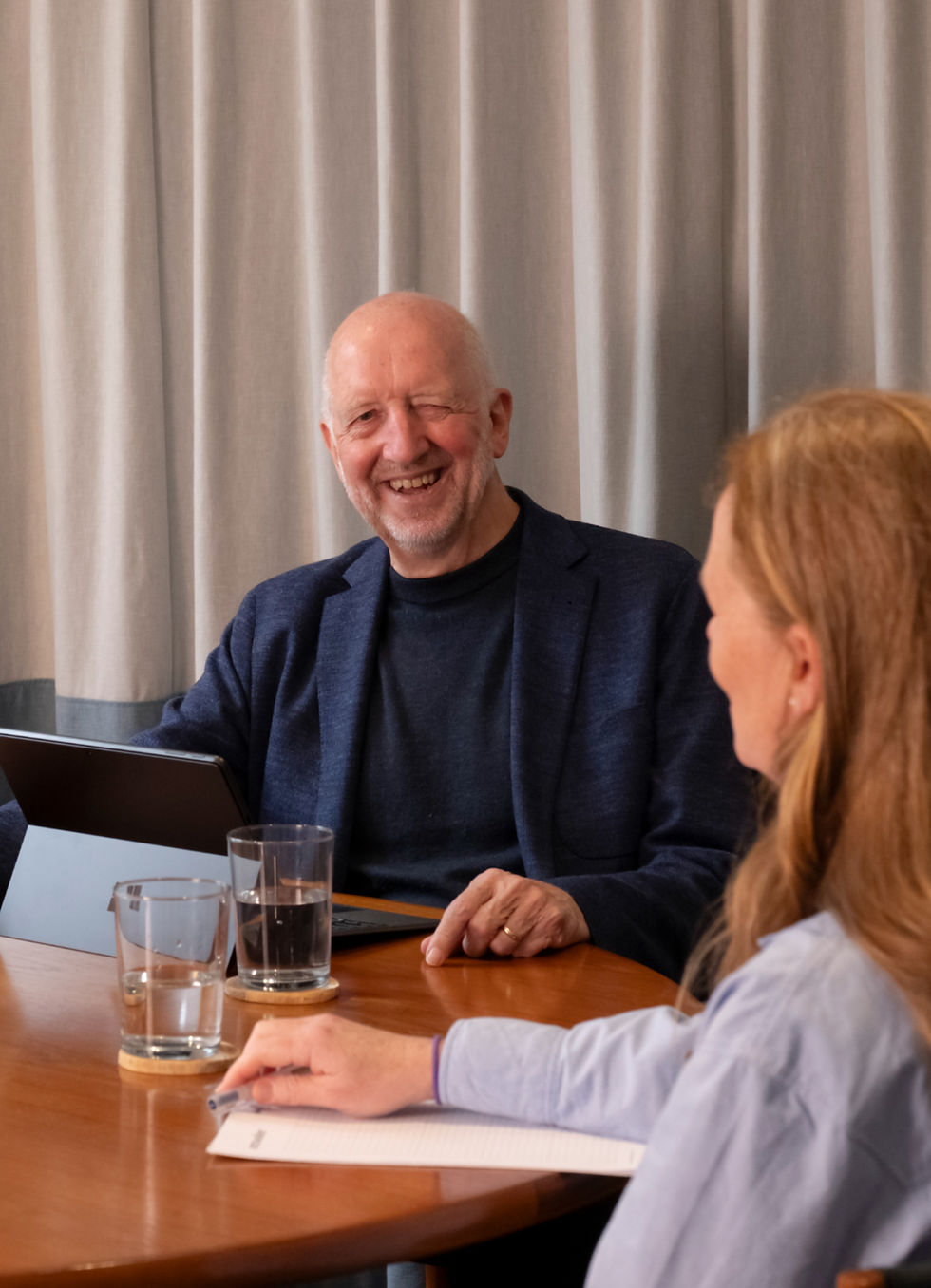
Ross Clark has worked across the architecture industry in almost every capacity — the guidance that he brings from decades working in this industry has been tried, tested and refined working closely with practices just like yours.
If you’re thinking about the next stage of your practice, or want an experienced perspective on how things are currently set up, please reach out.


